Our Team
Africa-Europe CoRE HGS Co-Leads
Kåre Moen, University of Oslo, Norway
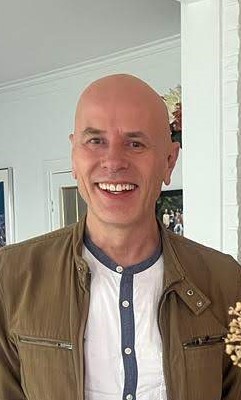 Currently an Associate Professor in global health and Head of Postgraduate Studies at the Faculty of Medicine, University of Oslo, he brings a rich interdisciplinary background in medicine, public health, and social anthropology. He has over 30 years of project management experience and 15 years dedicated to fostering academic collaboration between Africa and Europe and has successfully led initiatives in research, student exchange, joint supervision, curriculum design, and programme evaluation. He has extensive research and teaching experience on health issues within gender and sexuality minority populations, underscoring a deep commitment to addressing these critical challenges through education and scholarship. His leadership in developing impactful academic partnerships and hands-on experience in project management positions him to effectively co-lead the CoRE.
Christi Kruger, University of Pretoria, South Africa
 Currently the senior manager of research at the Centre for Sexualities, AIDS and Gender, University of Pretoria, Christi holds a PhD in Anthropology. She has extensive experience in project management with a particular focus on sexual and reproductive health rights and gender justice within Southern Africa.
 Pierre Brouard, University of Pretoria, South Africa
Pierre Brouard is the Acting Director of the Centre for Sexualities, AIDS and Gender at the University of Pretoria and a Clinical Psychologist with decades of experience in research, teaching and programming on sexual and gender minorities.
Africa-Europe CoRE HGS Partners
 Getnet Tadele, Addis Ababa University, Ethopia
Getnet Tadele is a full professor in the Department of Sociology, Addis Ababa University (AAU), and is also an honorary professor at Jimma University, an adjunct professor at Bahir Dar University and a Global Fellow at the Centre on Law and Social Transformation at the University of Bergen, Norway. For over 30 years, he has been a globally recognised educator, philanthropist, and recipient of numerous awards.
 Rishita Nandagiri, King’s College London, United Kingdom
Dr Rishita Nandagiri is a Lecturer in Global Health & Social Medicine, and Deputy Programme Director, MSc in Global Health, Social Justice and Public Policy. Before joining King’s, she held postdoctoral positions at the London School of Economics and Political Science (LSE). In 2020-2021, she was an ESRC-funded postdoctoral fellow at LSE’s Department of Methodology where she worked with feminist collectives in India to co-produce visual resources on abortion and abortion care-seeking. Rishita has previously worked with several feminist collectives and advocacy groups and has consulted for multilateral organisations including the WHO and UNFPA. Rishita serves on the International Union for the Scientific Study of Population’s Scientific Panel on Abortion Research and is a council member of the British Society for Population Studies. She is a Fellow of the Higher Education Academy.
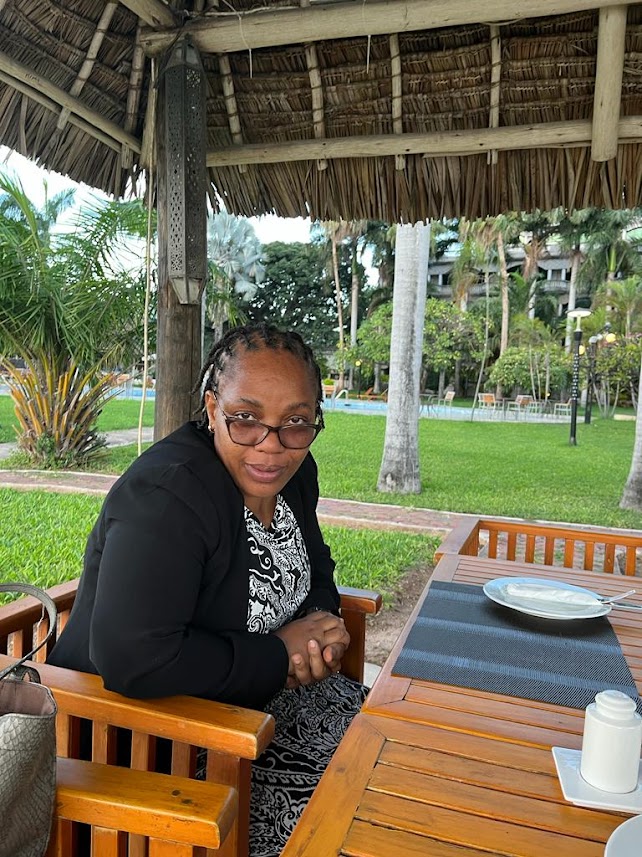 Emmy Metta, Muhimbili University for Health and Allied Sciences, Tanzania
Dr. Emmy Metta is a Senior Lecturer and Researcher at the School of Public Health and Social Sciences (SPHSS), Muhimbili University of Health and Allied Sciences in Tanzania. She oversees the quality of teaching, assessment, and research at the Department of Behavioral Sciences and serves as the chairperson of the SPHSS higher degree committee and a member of the SPHSS quality assurance management team. Dr. Metta will bring her experiences and expertise to the project and contribute to developing the Master's Curriculum and its implementation.
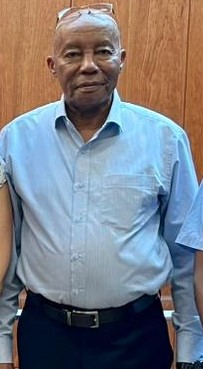 Melkizedeck Leshabari, University for Health and Allied Sciences, Tanzania
Prof. Melkizedeck Leshabari is a Professor and Research Chair at Muhimbili University of Health and Allied Sciences (MUHAS), Tanzania. He had been a team leader in the School of Public Health and Social Sciences in the University for nine (9) years and his major research focus is on Sexual behaviour and Key populations. Prof. Leshabari had organized two International Conferences on HIV and Key Populations in Africa and is the Pioneer of research activities in this thematic area. Building on his vast experiences, Prof Leshabari will be the MUHAS Focal Perform to coordinate the implementation of the project activities.
 Ramola Ramtohul, University of Mauritius, Mauritius
Ramola Ramtohul is an Associate Professor in the Department of Social Studies at the Faculty of Social Sciences and Humanities of the University of Mauritius. She has a PhD in Gender Studies from the African Gender Institute at the University of Cape Town. She has published widely on women, gender and politics in Mauritius, intersectionality, diversity and citizenship. She has played a key role in the organisation of two international conferences at the University of Mauritius. She has received research fellowships from the University of Cape Town, the American Association of University Women, the University of Cambridge and the University of Pretoria. She is co-editor of the Journal of Contemporary African Studies and Island Studies Journal and a member of the editorial board of the journal Small States & Territories.
 Andrea Solnes Miltenburg, University of Oslo, Norway
Andrea Solnes Miltenburg is an associate professor in Global Health at the Department of Community Medicine and Global Health and works as a resident in obstetrics and gynaecology at Akershus University Hospital. She graduated from medical school at the VU University Medical Center in Amsterdam, the Netherlands in 2012. In 2019 she obtained her PhD at the Institute of Health and Society, at the University of Oslo. Since 2019 she has been working clinically while at the same time continuing with research. Her main research activities currently are related to pre-eclampsia in Tanzania and post-partum care in Norway. She currently supervises both MSc and PhD students and includes medical students in her research activities.
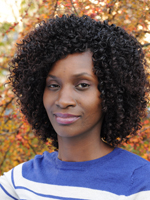 Cynthia Khamala Wangamati, University of Oslo, Norway
Cynthia Khamala Wangamati is a researcher at Institute of Health and Society. She co-coordinates the Ethics in Research and clinical Practice (ETHIMED) project, which entails staff and student mobility & curriculum development in Norway, Tanzania & Rwanda. She is also part of the Responsible Open Science in Europe Project (ROSiE). Her experiences from these projects will be used in supporting the planning & development of the Master's Curriculum as well as coordinating promotional and outreach activities.
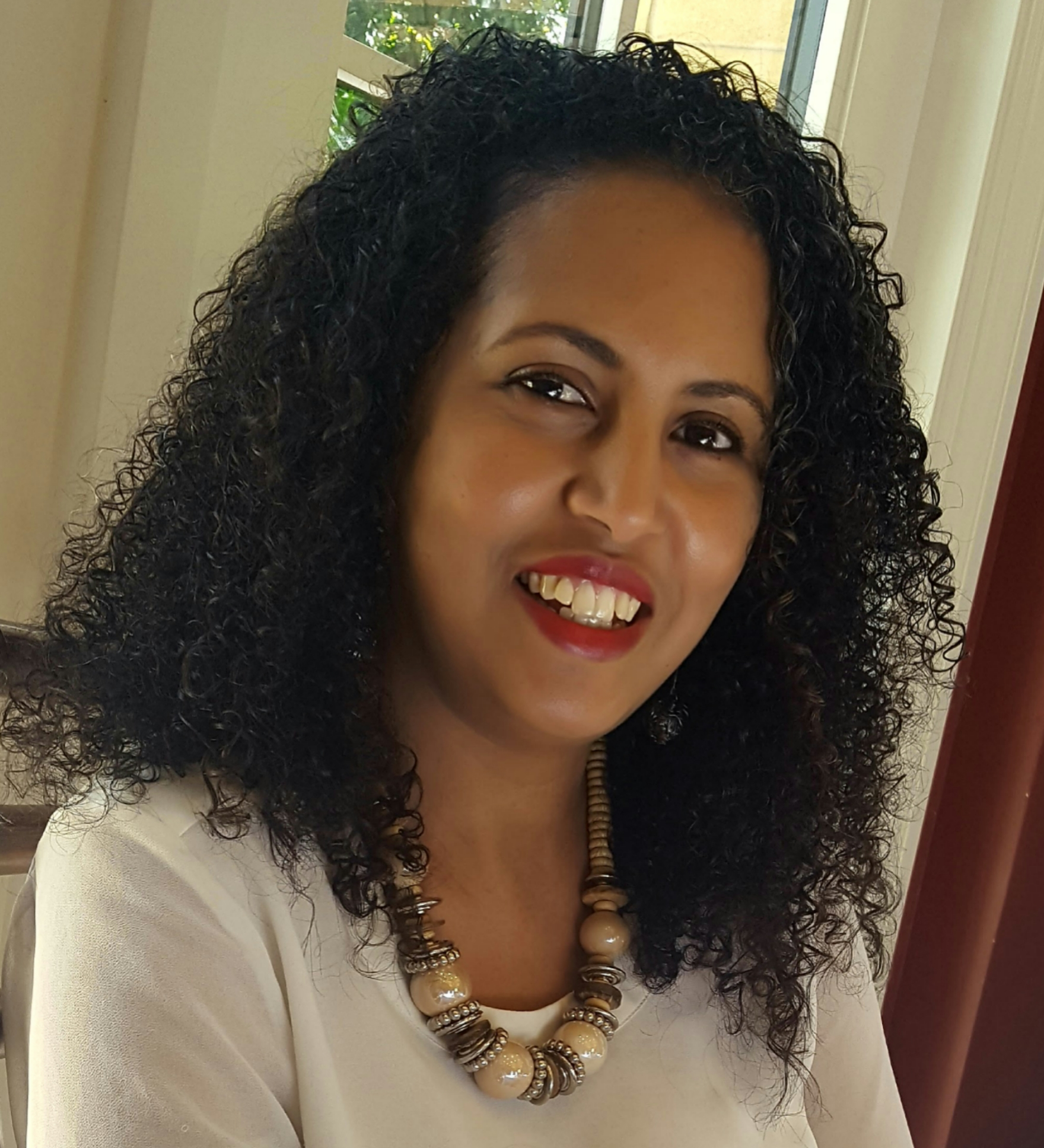 Mekdes Gebremariam, University of Oslo, Norway
Dr Mekdes Gebremariam is an Associate Professor of Epidemiology and Preventive Medicine at the University of Oslo, and a Deputy Director at the Center for Global Health. Her research focuses on the identification of multilevel determinants of lifestyle behaviors and overweight/obesity among youth, in order to inform policy and practice. She has a particular interest and expertise in social inequalities in health and in the factors that mediate these inequalities. Dr Gebremariam has coordinated and led several research projects focusing on lifestyle behaviors and overweight/obesity among youth in Norway as well as in other contexts.
 Jarred Martin, University of Pretoria, South Africa
Jarred Martin has a PhD in Psychology and he is a senior lecturer in the Department of Psychology at the University of Pretoria. He teaches at both undergraduate and postgraduate levels, manages the postgraduate degree programme in Clinical Psychology, and supervises postgraduate student research in critical studies of gender/s and sex/uality/ies. His research and writing concentrates on critical studies of bodies, gender/s, and sex/uality/ies.
 Nelson Muparamoto, University of Pretoria, South Africa and Zim-TTECH, Zimbabwe
Nelson holds a PhD in Sociology and works closely with marginalised communities in Zimbabwe in advocacy for social justice and social inclusion. Nelson enjoys working and researching on gender and sexuality diversity. Nelson has significant experience of working on collaborative studies with regional and international consultants and scholars. Nelson has experience in conducting ethnographic studies, documenting human impact stories, baseline surveys, mid-term and end-of-term evaluations.
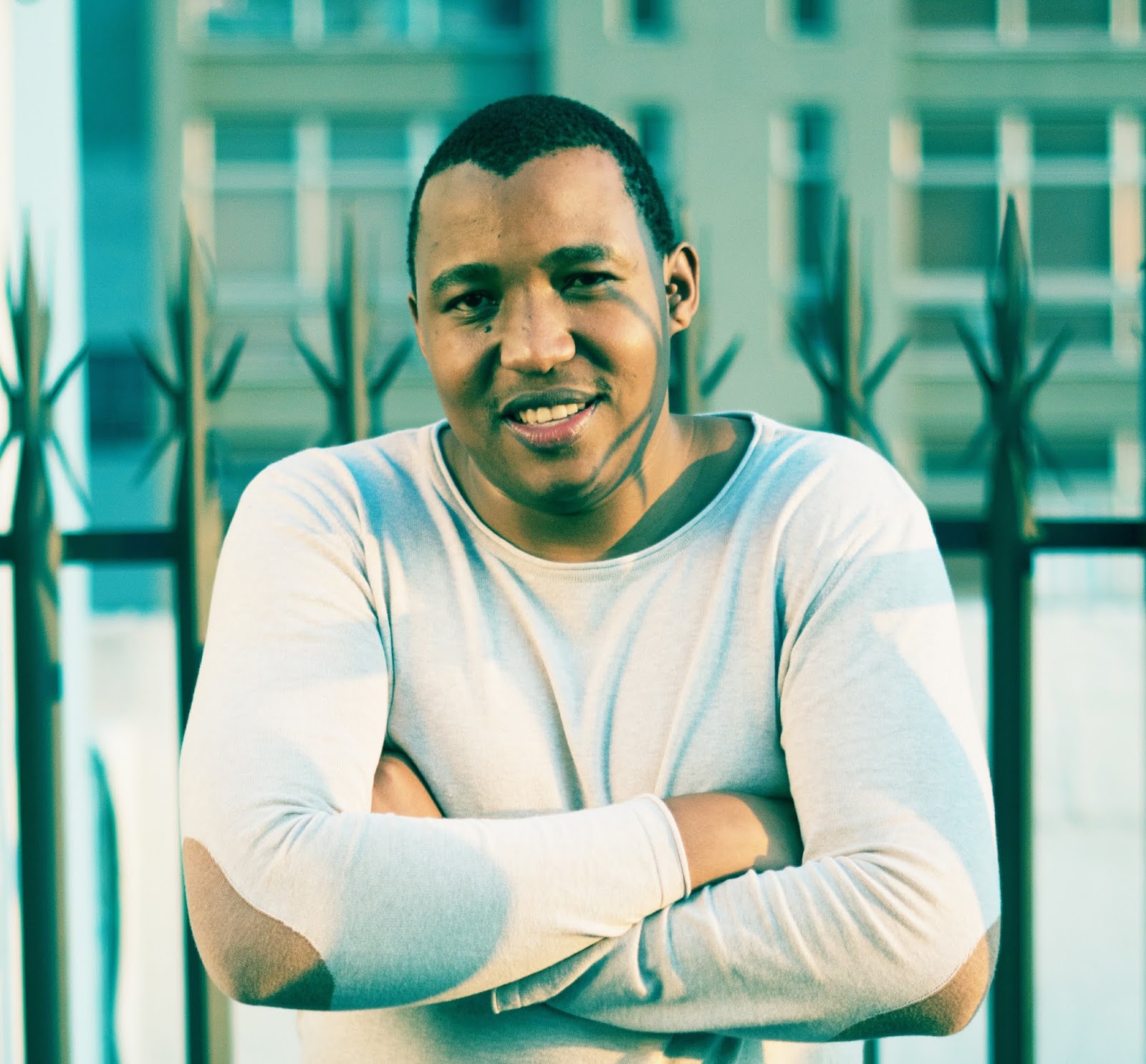 Kudzaiishe Vanyoro, University of the Witwatersrand, South Africa
Kudzaiishe is a researcher and project manager at the Wits Centre of Diversity Studies at Wits University. Kudzai has 6 years of experience in gender, sexuality and critical diversity literacy teaching and facilitation.
 Melissa Steyn, University of the Witwatersrand, South Africa
In 2014, Melissa established the Wits Centre for Diversity Studies (WiCDS) and in the same year was awarded the South African Research Chair (SARChI) in Critical Diversity Studies, a position which she still holds. She spearheaded the development of diversity studies as an academic field in South Africa. The framework Steyn has developed, Critical Diversity Literacy (CDL), consists of ten criteria that characterize a sensibility open to differences, informed by a consciousness of power relations and willing to act towards more just societies. The framework has informed interventions both in South Africa and in various international contexts including Switzerland, Germany, Australia, and various Southern African countries.
 Mats Målquist, Uppsala University, Sweden
Mats Målqvist is professor of global health and the director of SWEDESD - Sustainability Learning and Research Center. His research centres social sustainability, with a special focus on equity and empowerment. He has published 120+ scientific articles within the areas of implementation science, SRHR, maternal, newborn and child health, and health systems delivery. He is currently the Dean (prodekan) of education at basic and advanced level at the medical faculty.
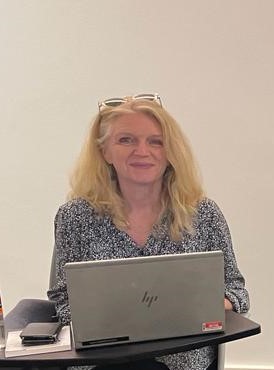 Vibeke Christie, University of Oslo, Norway
Vibeke Christie holds the position of Senior Adviser in the Section for Research Administration at the Institute of Health and Society, UiO. She brings a wealth of experience in guiding external funding opportunities, project development, and implementation. Vibeke’s academic background is in social anthropology.